SEO Tools for Auditing, Research and Monitoring
SEO tools for auditing and monitoring websites help SEO-Ballarat.com.au identify technical issues, research search demand, track visibility and measure changes that guide SEO work. At SEO-Ballarat.com.au, we use tool data alongside audits, research and commercial priorities to turn findings into practical action.
What Do SEO Tools Check on a Website?
SEO audit tools check how search engines can crawl, understand and evaluate a website.
Website auditing tools review crawlability and indexing signals to show whether important pages can be discovered and included in search results. They also examine on-page SEO, including page titles, headings, internal links and content relevance.
Technical SEO checks can include structured data, which helps describe page content to search engines. We validate automated findings against the website, its business goals and the searches it needs to reach.
How SEO Audit Tools Reveal Technical Problems
Technical SEO audit tools reveal issues that can limit crawling, indexing, usability or search visibility.
A website crawl can uncover broken links, unsuitable redirects and conflicting canonical tags. We also check the XML sitemap and robots.txt because these files influence how search engines discover and process pages.
Site speed testing tools can highlight Core Web Vitals concerns, while mobile usability checks show problems that affect people using smaller screens. Our team reviews the context of each issue before recommending a fix, because an automated warning is not always a priority.
Which Tools Support Keyword Research and Competitor Analysis?
Keyword research and competitor analysis tools connect search intent with content opportunities and competing search results.
Different tool categories answer different research questions. We compare the data with the website’s offer, audience and existing content before selecting keyword opportunities.
| Tool category | What it helps assess | Decision it supports |
|---|---|---|
| Keyword research tools | Search intent, keyword difficulty and search volume | Which topics and terms deserve content planning |
| SERP analysis tools | Search results, SERP features and page formats | What a useful result needs to answer |
| Competitor analysis tools | Competitor keywords and content gaps | Where competing pages may be earning visibility |
| Backlink analysis tools | Backlink profile and linking patterns | Which link building opportunities need review |
Search volume alone does not establish commercial value. We consider search intent, the quality of competing pages and whether the topic fits the customer journey.
How Website Monitoring Tools Track SEO Changes
Website monitoring tools track changes in visibility, traffic, links and technical health after SEO work is implemented.
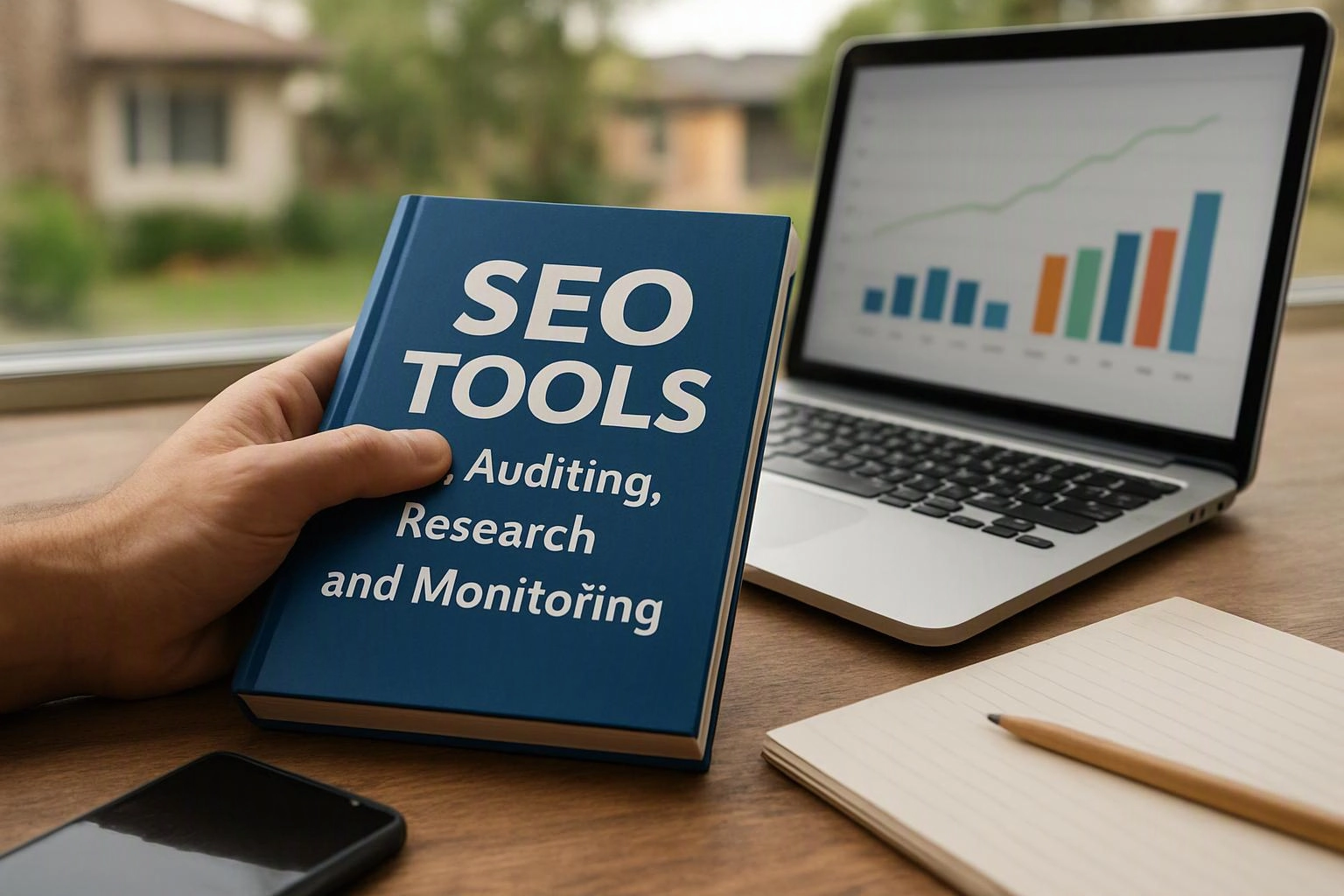
Rank tracking shows movement in search rankings for selected queries, while organic traffic and analytics data show how visitors behave after reaching the website. Google Search Console adds search performance data, including queries, pages and indexing signals.
Backlink monitoring can identify new or lost links. Indexation monitoring and change detection can reveal unexpected page, template or technical changes before they affect organic search.
What Benefits Come from Using SEO Tools Together?
Using SEO tools together connects technical findings, search demand, competitor evidence and website outcomes into one decision process.
SEO diagnosis becomes clearer when a crawl report is considered with search performance and page behaviour. This helps us separate urgent technical issues from changes that can wait.
Connected data also improves prioritisation and content planning. Keyword research can guide useful pages, competitor SEO analysis can expose content gaps, and backlink analysis can inform link building.
Analytics and conversion tracking connect organic visibility with meaningful website actions. That supports conversion rate optimisation and gives a clearer view of the return on SEO effort.
How We Turn SEO Tool Findings into Action
Our team turns SEO tool findings into prioritised SEO recommendations that match the website’s goals and commercial needs.
We do not present a generic software list as an SEO strategy. We use the tools to test a question, confirm the evidence and decide what action is most useful.
Our process keeps automated findings connected to human review and business priorities. You can request an estimate through our SEO services.
How Should You Choose SEO Tools for Your Website?
The right SEO tools depend on the website's goals, platform, technical complexity, reporting needs and the decisions the data must support.
Business goals determine whether the focus should be technical health, content demand, organic search growth or conversions. The website platform and size affect how crawling, templates and integrations should be managed.
Technical requirements also matter when tools need access to search data, analytics or development workflows. We consider data accuracy, reporting workflow and tool integration so the reports remain useful rather than creating disconnected information.
Questions About SEO Tools and Website Monitoring
Can SEO tools replace an SEO audit?
No, SEO tools cannot replace an SEO audit because automated findings still need context, validation and prioritisation. We use tools to collect evidence and then assess how each issue affects the website and its goals.
Are free SEO tools useful for website monitoring?
Yes, free SEO tools can support website monitoring when their data covers the question being checked. Google Search Console and analytics can provide useful search performance and traffic information, but broader monitoring may need additional tools.
What is the difference between an SEO audit tool and a rank tracker?
An SEO audit tool checks technical and on-page website health, while a rank tracker monitors search position changes for selected queries. We use both types of data when technical issues and organic visibility need to be assessed together.
How often should SEO tool data be reviewed?
SEO tool data should be reviewed according to the website’s change rate, campaign activity and reporting workflow. Technical monitoring can flag important changes, while broader performance reviews should focus on trends and decisions rather than isolated movements.
Which SEO tool data should be checked before changing website content?
Search intent, search performance, competing results, existing page quality and conversion data should be checked before changing website content. This evidence helps us protect useful content while addressing genuine gaps and opportunities.